
In Canberra card rooms, the noise of a full table still beats a quiet screen for some regulars. Yet the shift toward six-max tables has changed how players read position and manage their bankroll over a long session. We spoke with a game-design consultant who treats table structure like a slot mechanic, weighing volatility against expected hold. He reckons the right format depends on your patience more than your skill.
The shape of the table
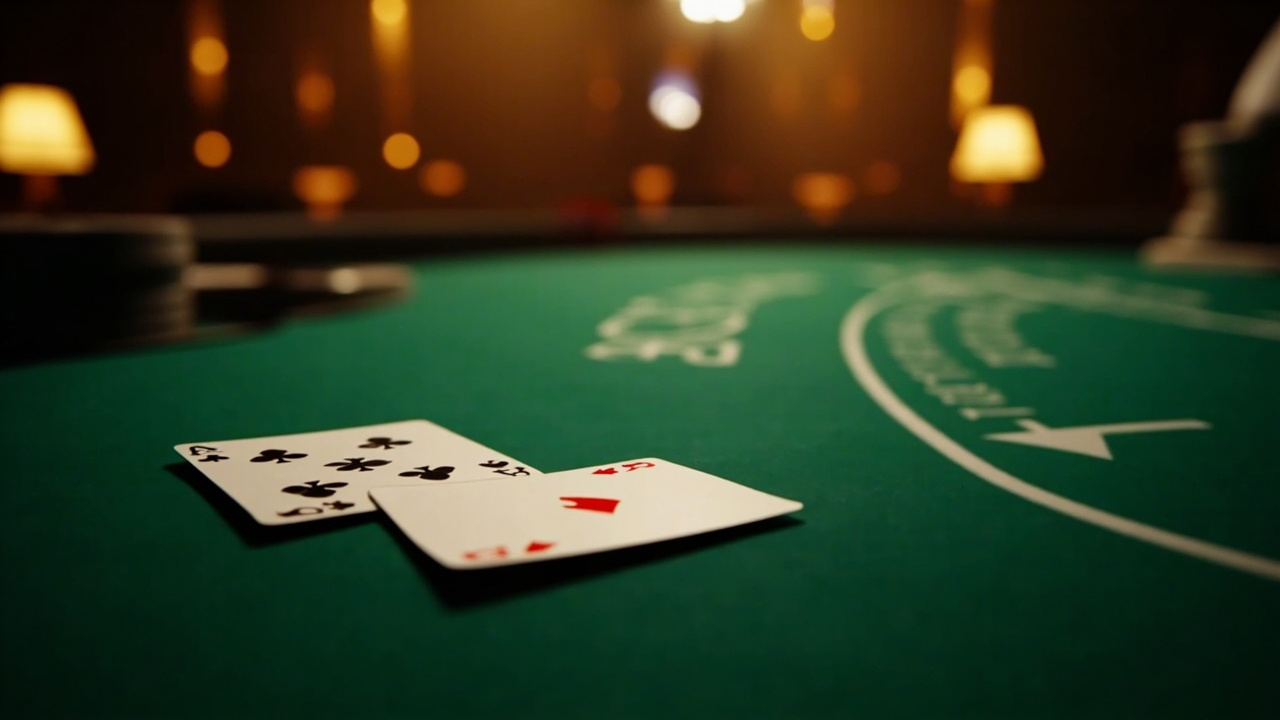
Six-max poker compresses the action into fewer seats, which means positions cycle faster and blind pressure arrives sooner. A full ring game stretches that same pressure across nine or ten players, giving you more time to observe tendencies before committing chips. The consultant compared this to designing a reel set: tighter layouts produce quicker decisions, while wider layouts reward patience and pattern recognition. Both formats work, but they ask different things from your discipline. https://wheres-the-gold-free-slots-au.com
| Format | Seats | Action Pace | Best For |
|---|---|---|---|
| Six-max | 6 | Fast | Aggressive play, position focus |
| Full ring | 9-10 | Slower | Observation, selective entries |
That difference matters when you consider how often you actually see a strong hand. In a tighter field, the chance of someone holding the nuts rises simply because more players have seen a flop, which is why reading a guide on what is a nut in poker can sharpen your fold decisions. The consultant noted that many players mistake frequency for advantage, falling into the gambler’s fallacy by assuming a quiet table must soon produce action.
How the two formats play out
Seat dynamics and hand selection
On a six-max table, your position relative to the button changes every orbit, so hand selection must adapt quickly. The consultant described this as a volatility control: fewer players mean more pots contested by fewer people, which raises the expected value of premium holdings in late position. A full ring game does the opposite, squeezing action toward the blinds and forcing tighter ranges from early seats.
Session length and bankroll pressure
Longer tables often stretch sessions, which can test your focus if you are chasing results after a dry run. The consultant warned that past orbits do not influence future independent deals, a reminder that each hand resets the probability completely. He also pointed to the runner runner dynamic in online poker intrigue, where late-card outcomes can tilt a session if you have not sized your bets for variance.
To maintain clarity, it helps to remember that a specific hand ranking holds no inherent advantage over another random draw. Players should consult a guide on what is a nut in poker to better understand hand strength. This perspective prevents emotional betting when the cards do not align with previous sessions.
Matching format to your game
Your choice should follow how you handle downtime and pressure rather than any supposed edge in either format. Six-max suits players who want constant engagement and are comfortable acting on fewer observations. Full ring works better for those who prefer folding more often and waiting for clearer spots. The consultant said the art direction of a table – its rhythm, its noise, its pacing – should match the player’s temperament, not the other way around.
Pick the seat count that fits your patience, size your bets for the variance, and treat every orbit as a fresh draw rather than a correction waiting to happen.